
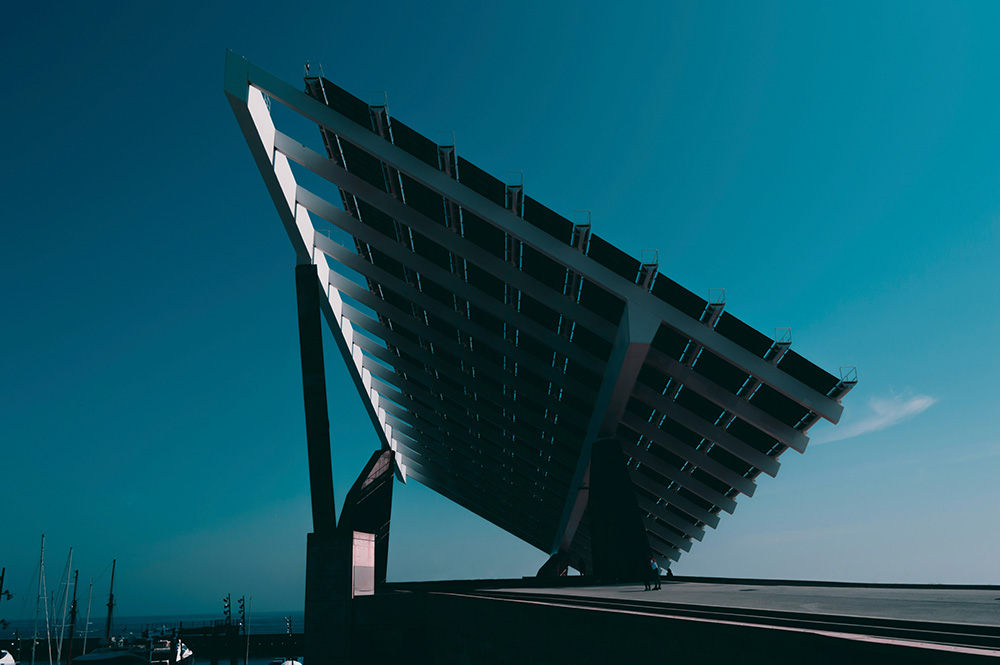

The world is evolving at a rate unprecedented in modern history. Climate instability, economic shocks, technological disruption, and evolving societal norms are no longer a distant threat. They are lived realities. In this context, resilience has become one of the most valuable qualities that a person, company, or community can cultivate. Being futureproof does not imply knowing exactly what will happen next. It is about developing the ability to adapt, recover, and become stronger in the face of uncertainty.
At the individual level, resilience begins with flexibility. Career paths are no longer linear, and it is becoming increasingly rare to work in a single function or industry for a lifetime. Individuals who are futureproof prioritise transferable abilities including critical thinking, communication, emotional intelligence, and computer literacy. They remain curious, continue to learn, and are comfortable reinventing themselves as circumstances change. Personal wellbeing is equally vital. People’s ability to respond successfully to stress and disruption is based on their mental and physical health. A resilient person is not unshakeable, but they may refocus and go on with purpose.

Financial resilience is another important pillar. Individuals who understand budgeting, savings, and risk are better prepared to deal with economic instability. Diversified income streams, emergency reserves, and careful long-term planning lessen susceptibility to unexpected shocks. At this stage, futureproofing goes beyond simply accumulating wealth. It is about establishing enough stability to make deliberate decisions rather than reactive ones.
Businesses now view resilience as a competitive advantage rather than a defensive tactic. Companies that incorporate adaptability into their operations succeed in uncertain settings. This includes adaptable supply chains, diverse marketplaces, and the capacity to pivot products or services when demand shifts. The pandemic demonstrated how unstable many global systems had become. Businesses that could respond swiftly, communicate clearly, and make judgements without relying on precise information were more likely to survive.
Culture plays an important impact in corporate resiliency. Organisations that empower their teams, foster innovation, and accept calibrated risk are better prepared for change. When employees feel trusted and educated, they are more innovative and responsive to difficulties. Transparent leadership, strong principles, and a clear sense of purpose help firms stay together during times of turmoil.
Technology is another important factor. Digital technologies can boost efficiency, visibility, and responsiveness, but resilience is determined by how technology is used rather than merely accepting it. Over-reliance on a single platform, service, or system might result in new vulnerabilities. Futureproof organisations invest in scalable, secure, and interoperable solutions while retaining the human intelligence required to guide them.

Cities have some of the most difficult resilience problems of all. Urban regions consolidate people, infrastructure, and economic activity, making them both powerful and vulnerable. Climate threats such as flooding, heatwaves, and water scarcity are increasingly influencing how cities plan and operate. A futureproof city has infrastructure that can withstand shocks rather than collapsing beneath them.
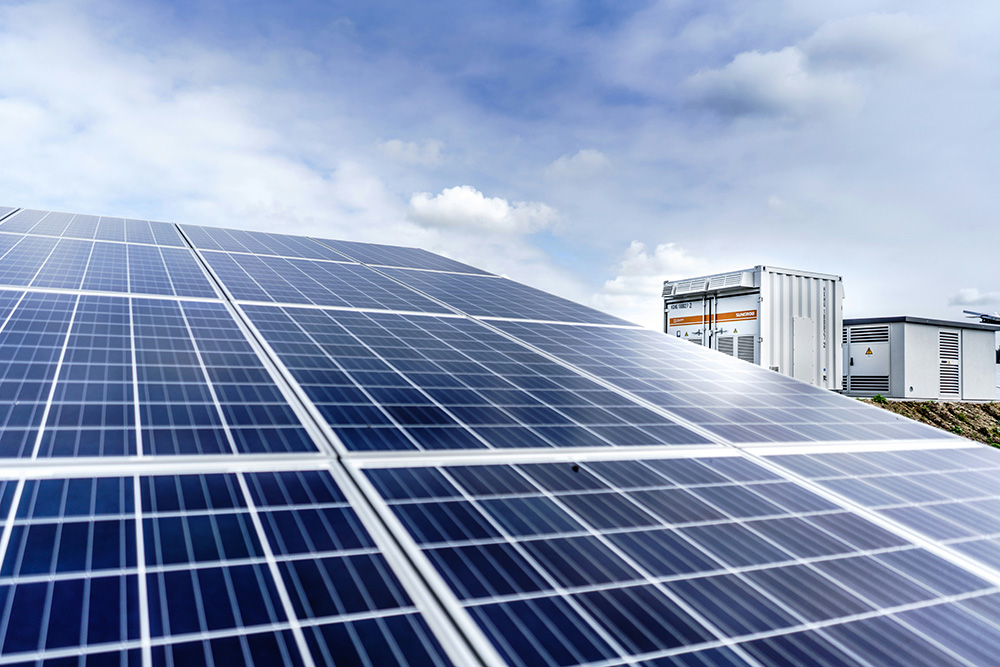
Resilient cities emphasise redundancy and decentralisation. Distributed renewable energy systems, local food networks, and diverse transportation choices lessen reliance on a single point of failure. Green spaces and nature-based solutions help to control heat and water while increasing overall quality of life. Thoughtful urban design that takes into account walkability, density, and service availability enhances social cohesion, which is often overlooked but critical during crises.
Social resilience is equally vital as physical infrastructure. Cities thrive when communities are connected, informed, and supported. Trust between citizens and institutions allows for faster collective responses to emergencies. Inclusive planning approaches that incorporate communities in decision-making result in solutions that reflect actual needs rather than abstract models. A city that listens is one that adjusts.
One theme is consistent across individuals, corporations, and cities. Resilience is not achieved overnight. It is the outcome of many tiny, deliberate decisions made repeatedly over time. It necessitates a shift in thinking, from efficiency at all costs to balance, from short-term gains to long-term value, and from control to flexibility.
Futureproofing does not imply avoiding failure. Learning from failure is one of its guiding concepts. When stressed, rigid systems break, but flexible systems can evolve. Individuals, organisations, and communities can position themselves to succeed regardless of the future by accepting uncertainty as a permanent condition rather than a temporary phase.
In an unpredictable world, resilience is not optional. It is a must. Those who invest in it now are not simply bracing for upheaval. They are creating a future that is more stable, inclusive, and resilient to change.